Avionics Systems
-
 2026-09-15
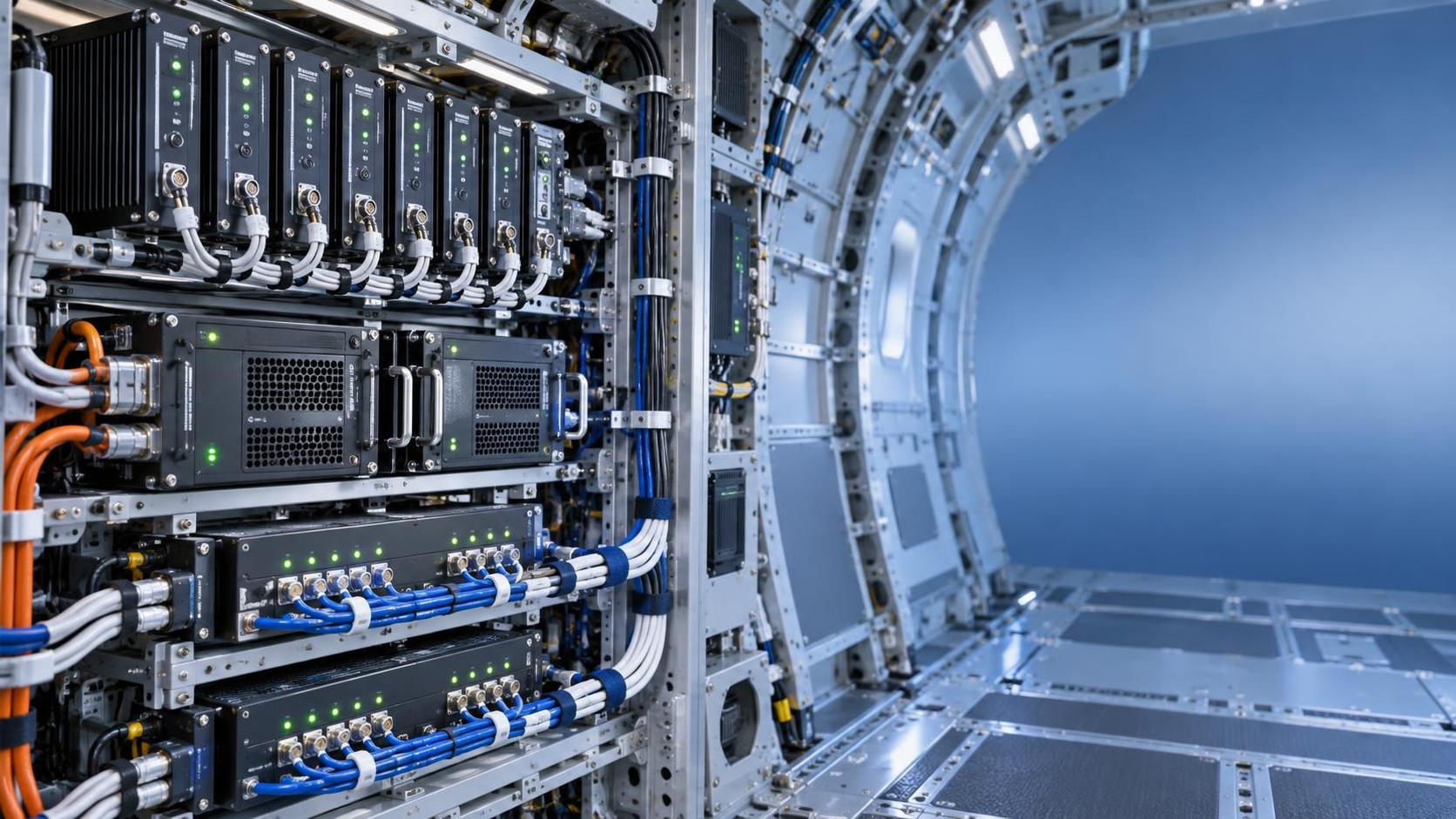
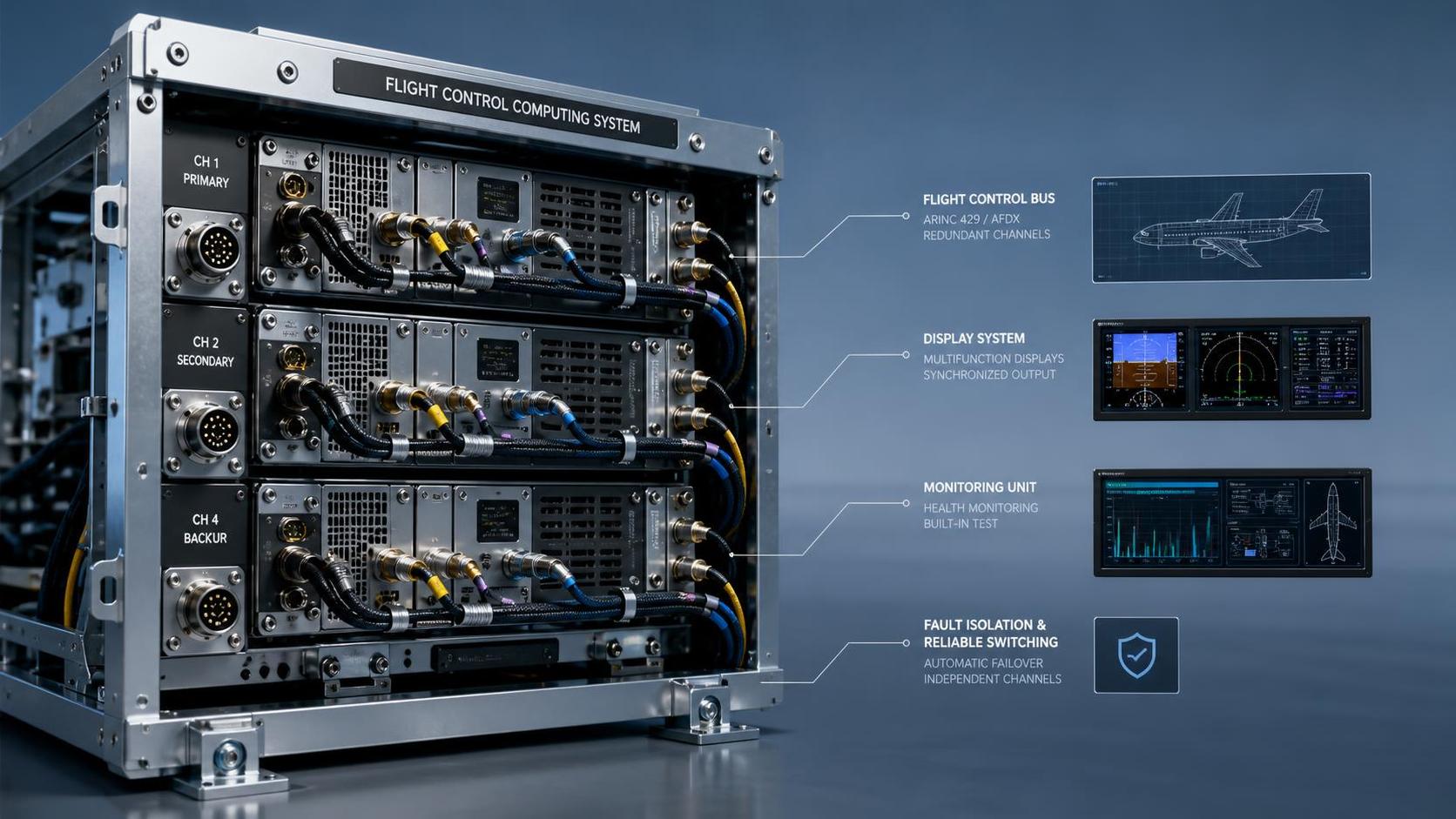
How avionics redundancy systems for airliners prevent single-point failures
Avionics redundancy systems for airliners prevent single-point failures through independent sensing, power separation, fault isolation, and safe reversion strategies.
-
 2026-09-13
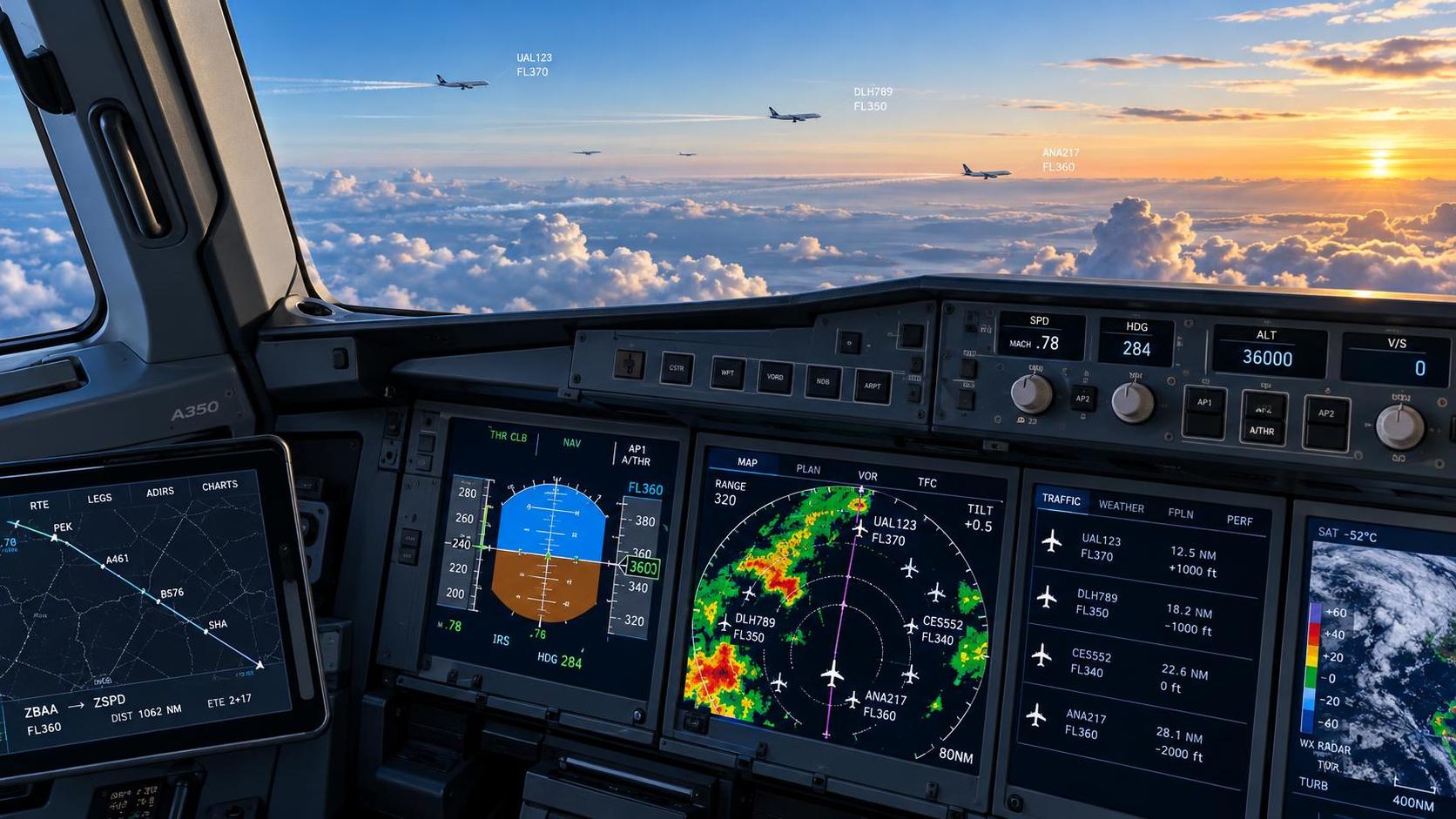
How situational awareness avionics reduce pilot workload in busy airspace
Situational awareness avionics reduce pilot workload in busy airspace by integrating traffic, weather, terrain, alerts, and flight guidance for safer, faster decisions.
-
 2026-09-12
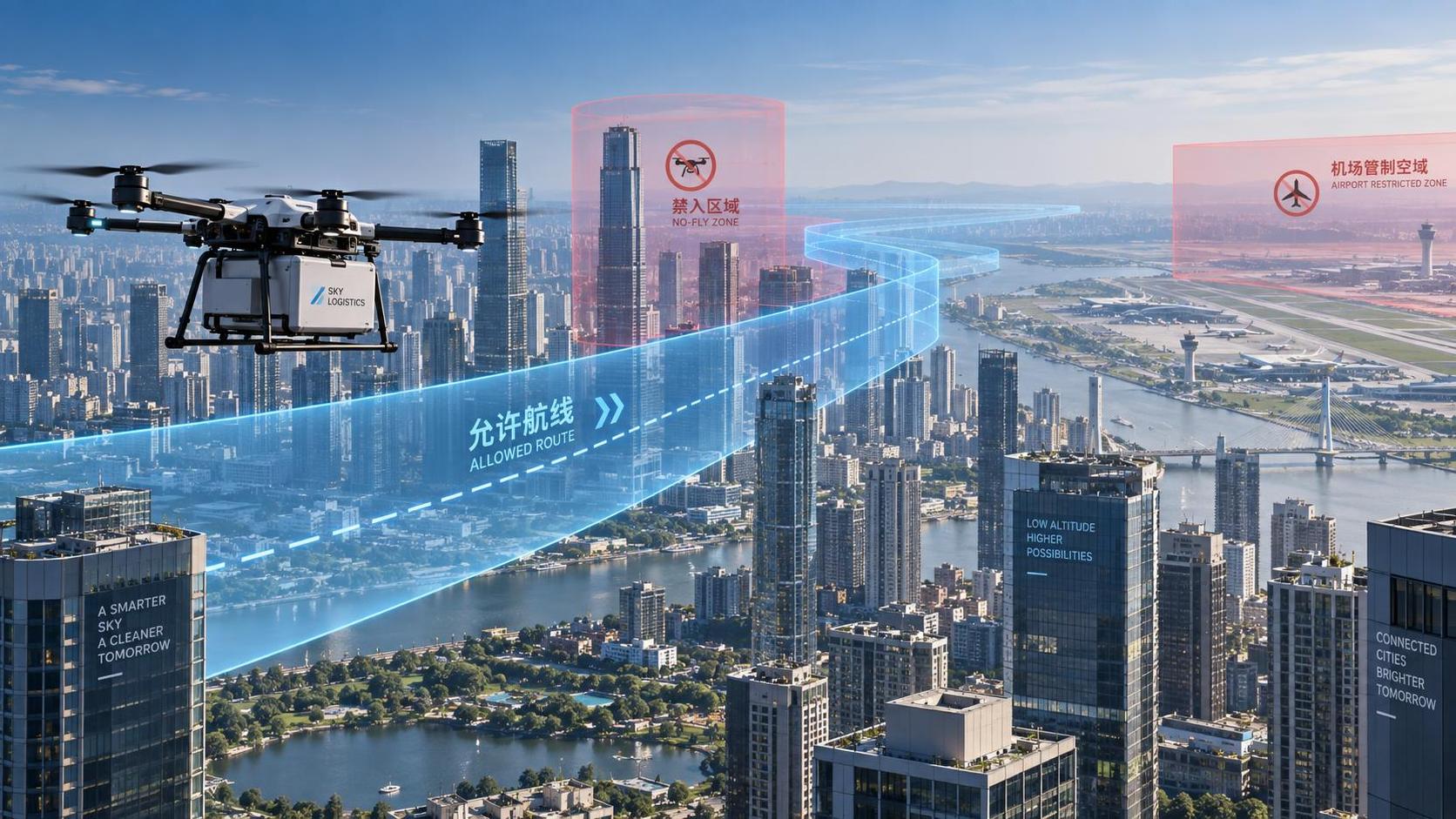
How geofencing improves low altitude aircraft safety near urban areas
Low altitude aircraft safety improves with geofencing that delivers smarter urban airspace controls, dynamic restrictions, and validated responses for safer operations.
-
 2026-09-07
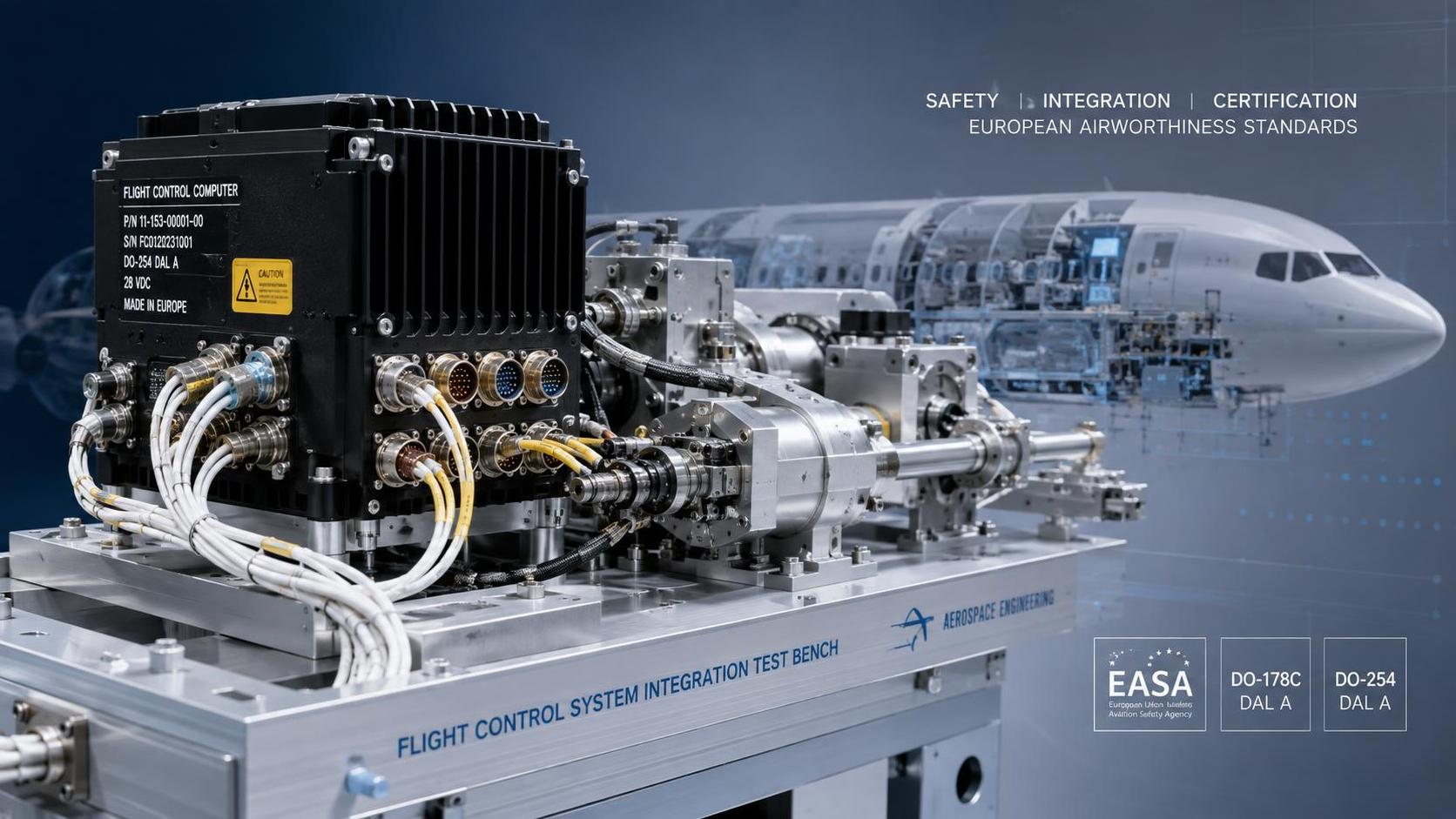
What EASA evidence does aircraft digital control need in Europe?
Aircraft digital control Europe: discover the EASA evidence needed for safety, software, hardware, cybersecurity, installation approval, and continued airworthiness.
-
 2026-09-02
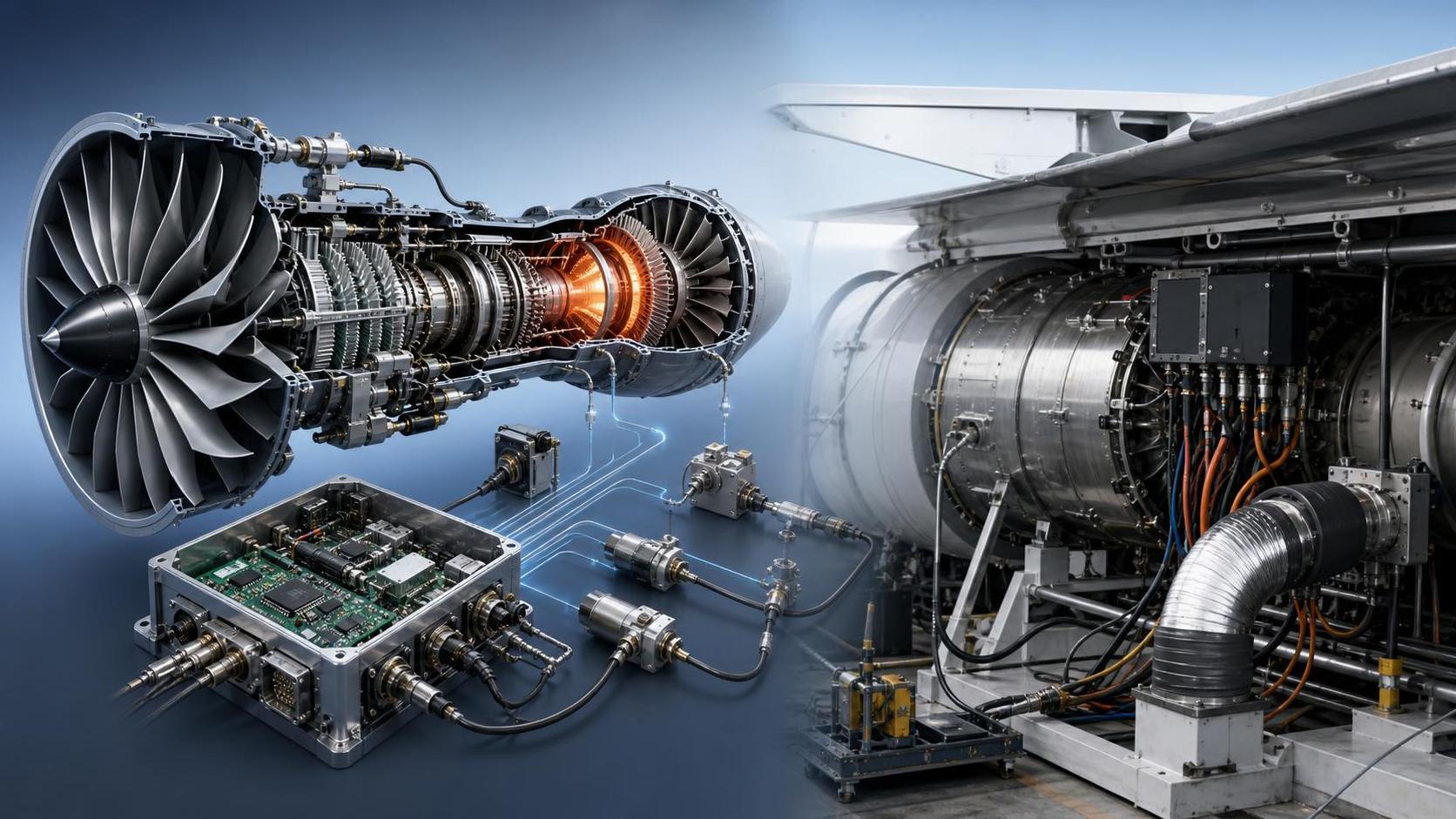
How aircraft propulsion logic simulation helps validate control logic
Aircraft propulsion logic simulation helps validate control decisions, fault responses, and hardware limits early—explore practical methods for safer, more reliable propulsion development.
-
 2026-08-28
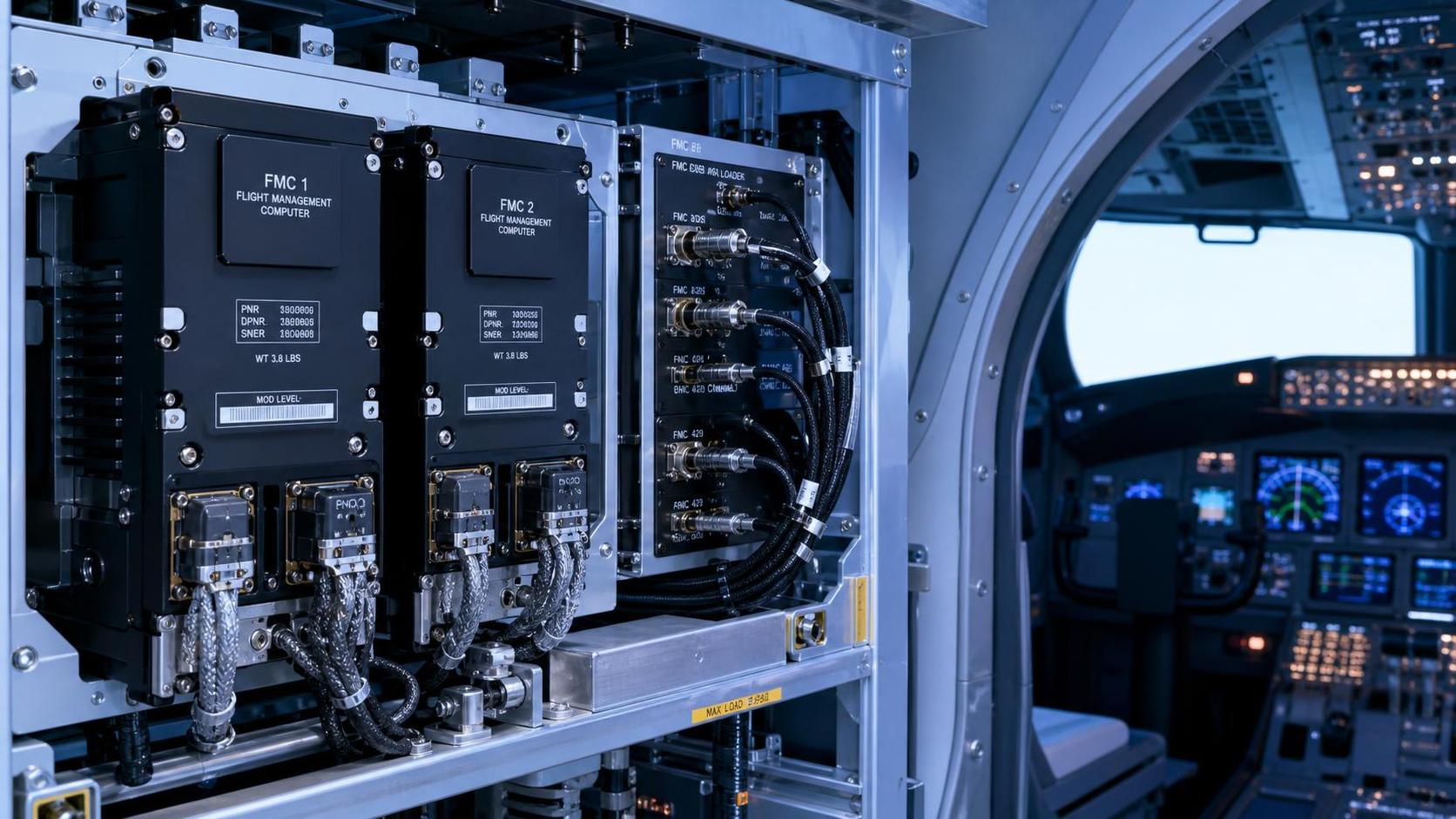
How avionics software architecture affects flight management upgrades
Avionics software architecture shapes safer, faster flight management upgrades. Explore modularity, certification, data control, and lifecycle costs for smarter modernization.
-
 2026-08-24
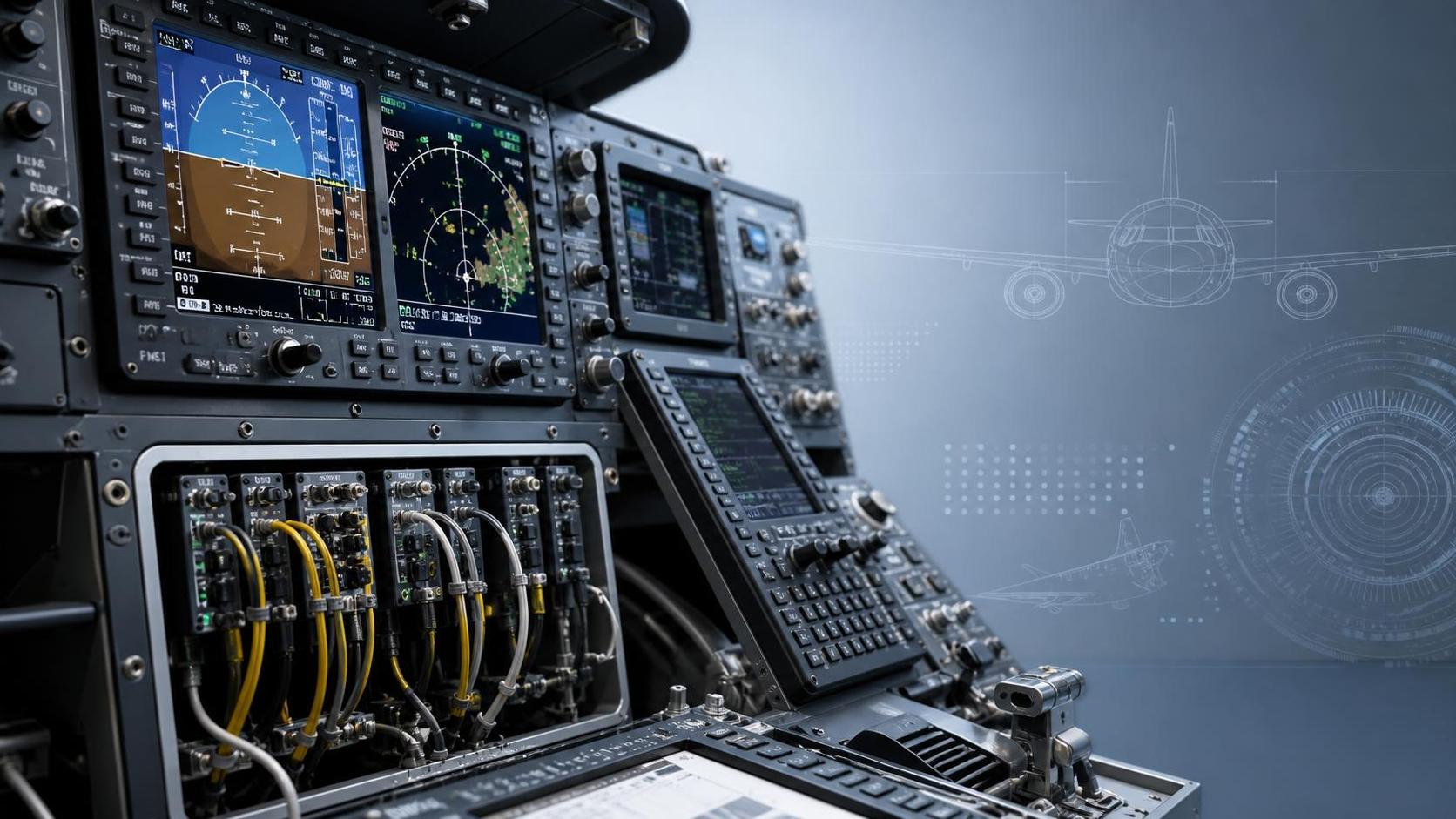
When precision avionics technology integration improves flight management
Precision avionics technology integration improves flight management by unifying sensors, guidance, and control logic for smoother routing, clearer mode changes, and faster fault isolation.
-
 2026-08-10
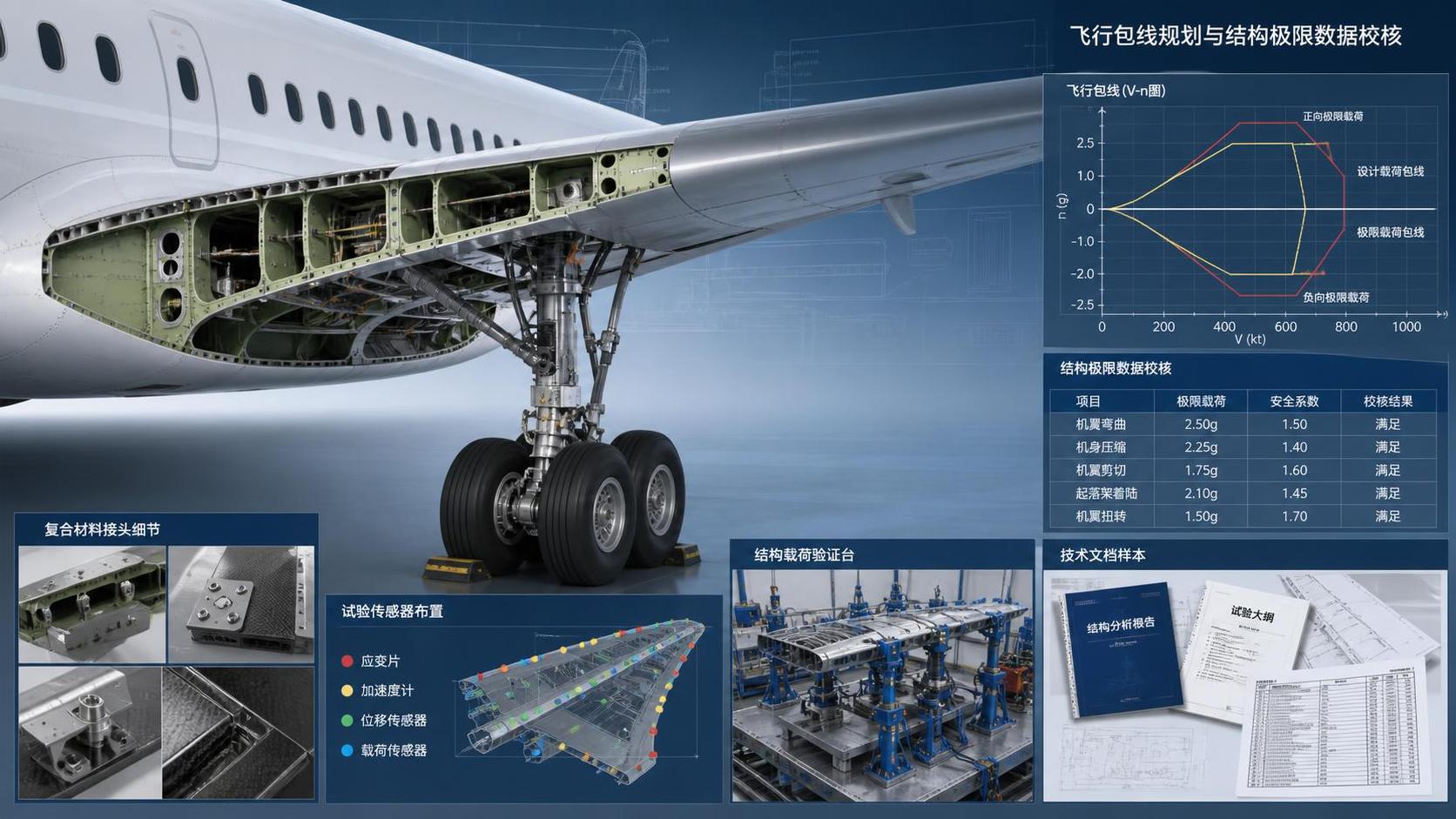
How to Validate Aircraft Structural Limits Data for Safe Flight Envelope Planning
Aircraft structural limits data validation for safe flight envelope planning: learn how to verify traceability, configuration fit, assumptions, and test evidence with confidence.
-
 2026-08-09
How Software Redundancy for Avionics Affects DAL Compliance and Failure Tolerance
Software redundancy for avionics shapes DAL compliance, fault isolation, and certification confidence. Learn how robust architectures improve failure tolerance and reduce common-cause risk.
-
 2026-08-06
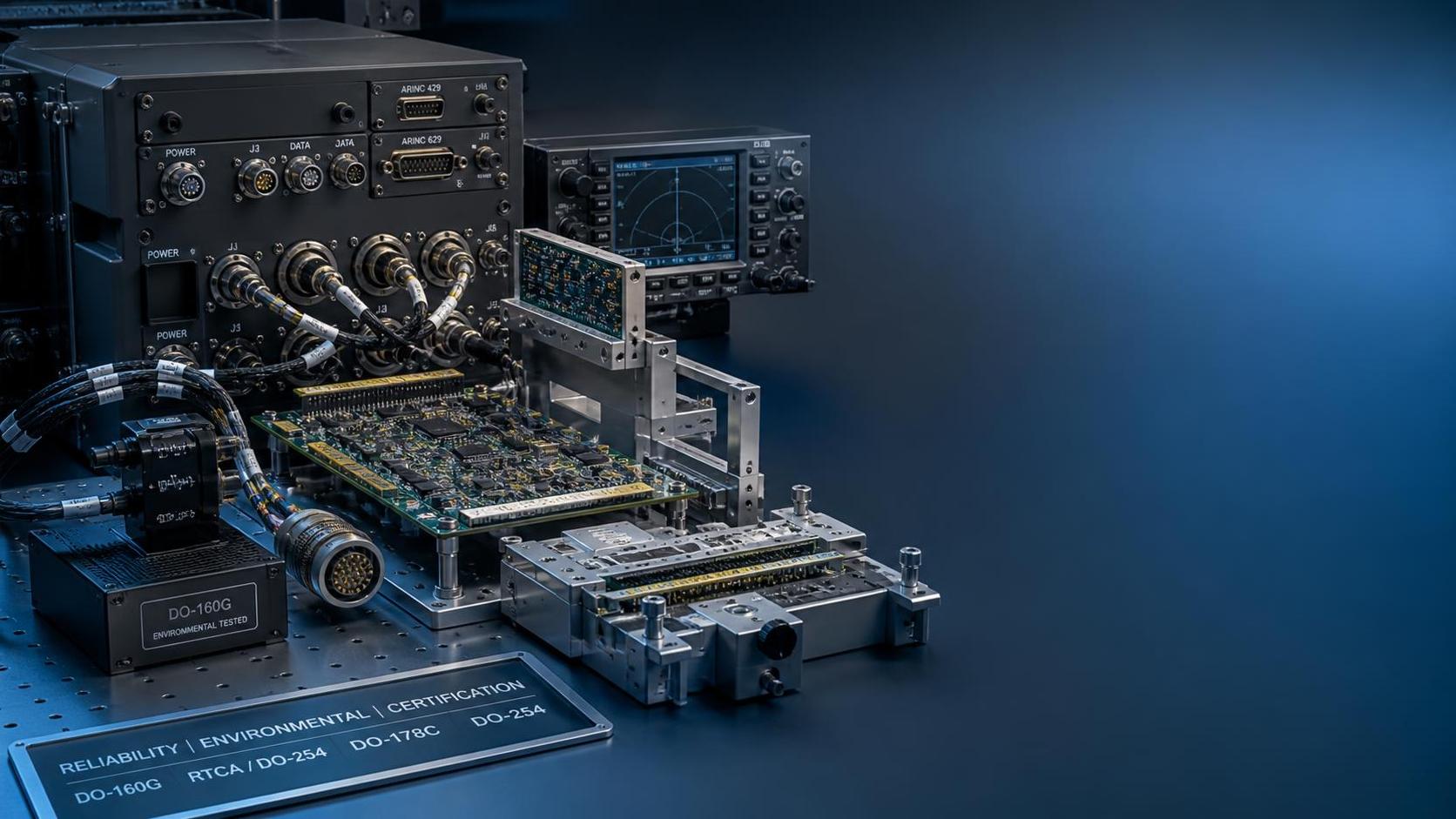
How to Evaluate Avionics Systems Components for Flight Reliability and Certification
Avionics systems components evaluation starts with reliability, certification evidence, and integration risk. Learn how to assess safety, software, environmental fit, and compliance with confidence.