Special-purpose Aircraft
-
 2026-09-09
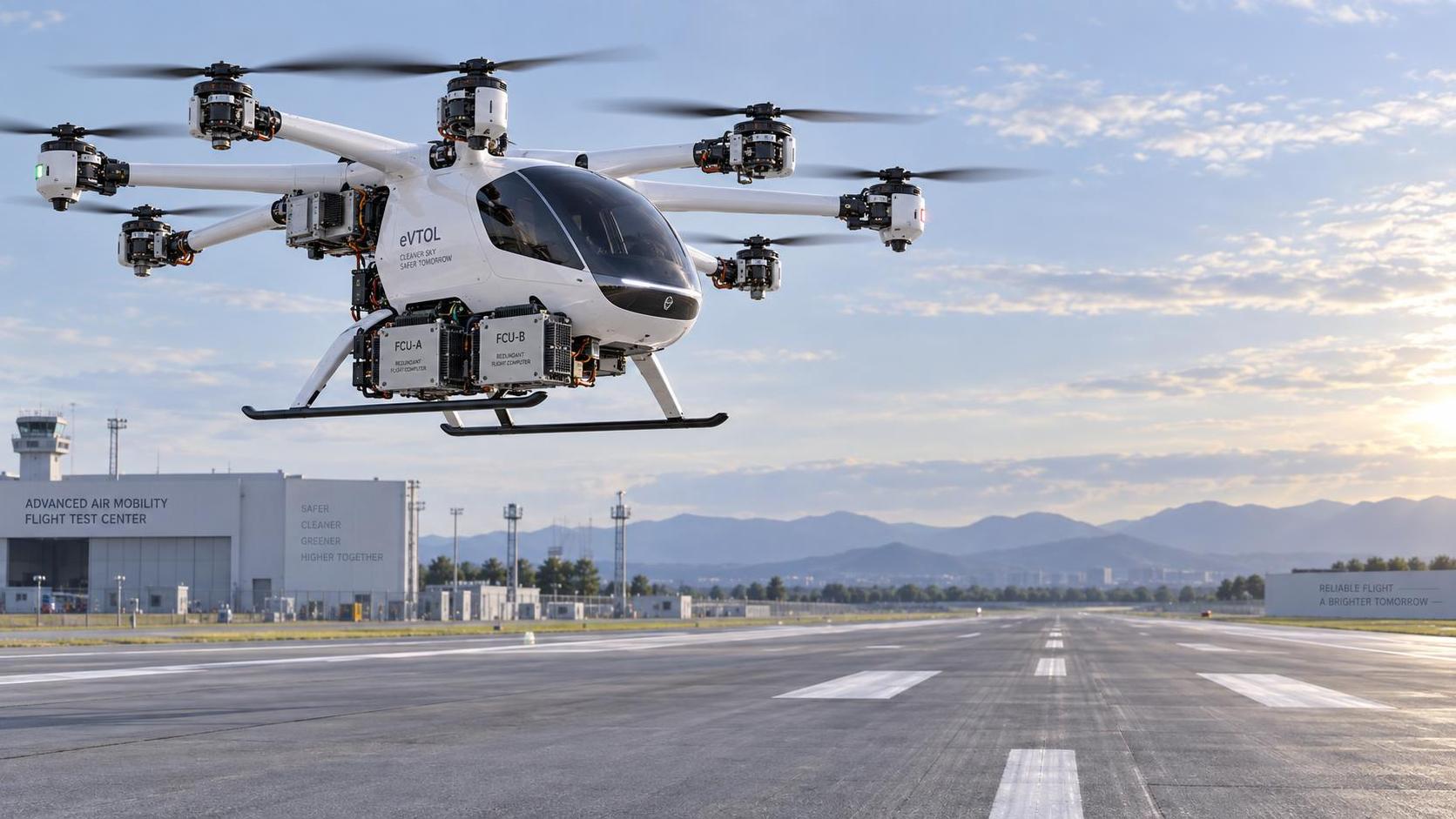
When does redundant flight software improve eVTOL safety?
Redundant flight software improves eVTOL safety when it detects, isolates, and survives failures. Explore proven architectures, independence, and safe reversion strategies.
-
 2026-09-05
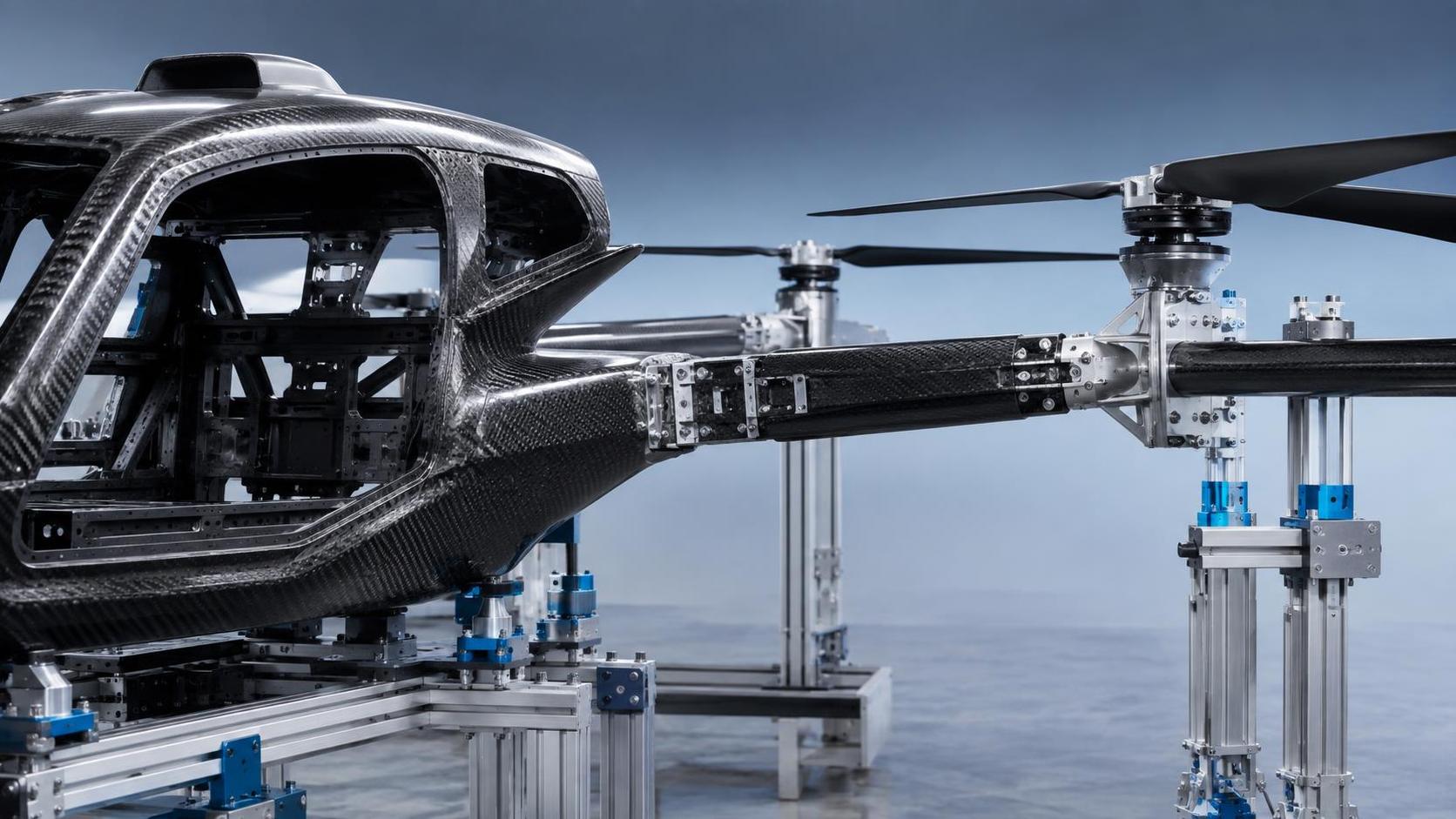
How do airframe composites for eVTOL withstand repeated flight loads?
Airframe composites for eVTOL must endure cyclic loads, vibration, impacts, and fatigue. Explore design, joints, damage tolerance, and testing strategies.
-
 2026-08-30
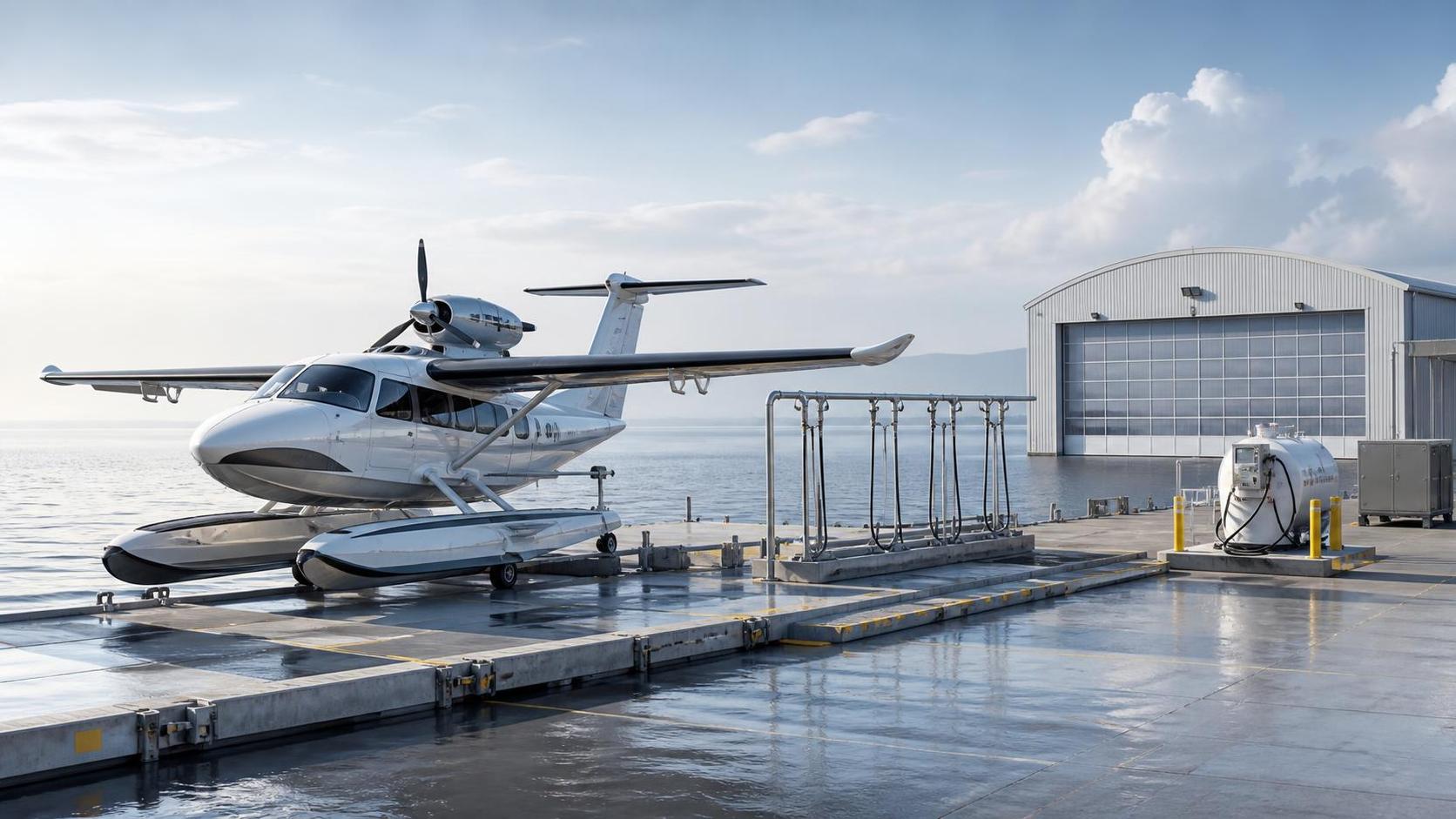
What drives amphibious aircraft cost beyond the purchase price?
Amphibious aircraft cost goes beyond purchase price. Explore maintenance, corrosion control, infrastructure, training, insurance, and lifecycle planning.
-
 2026-08-27
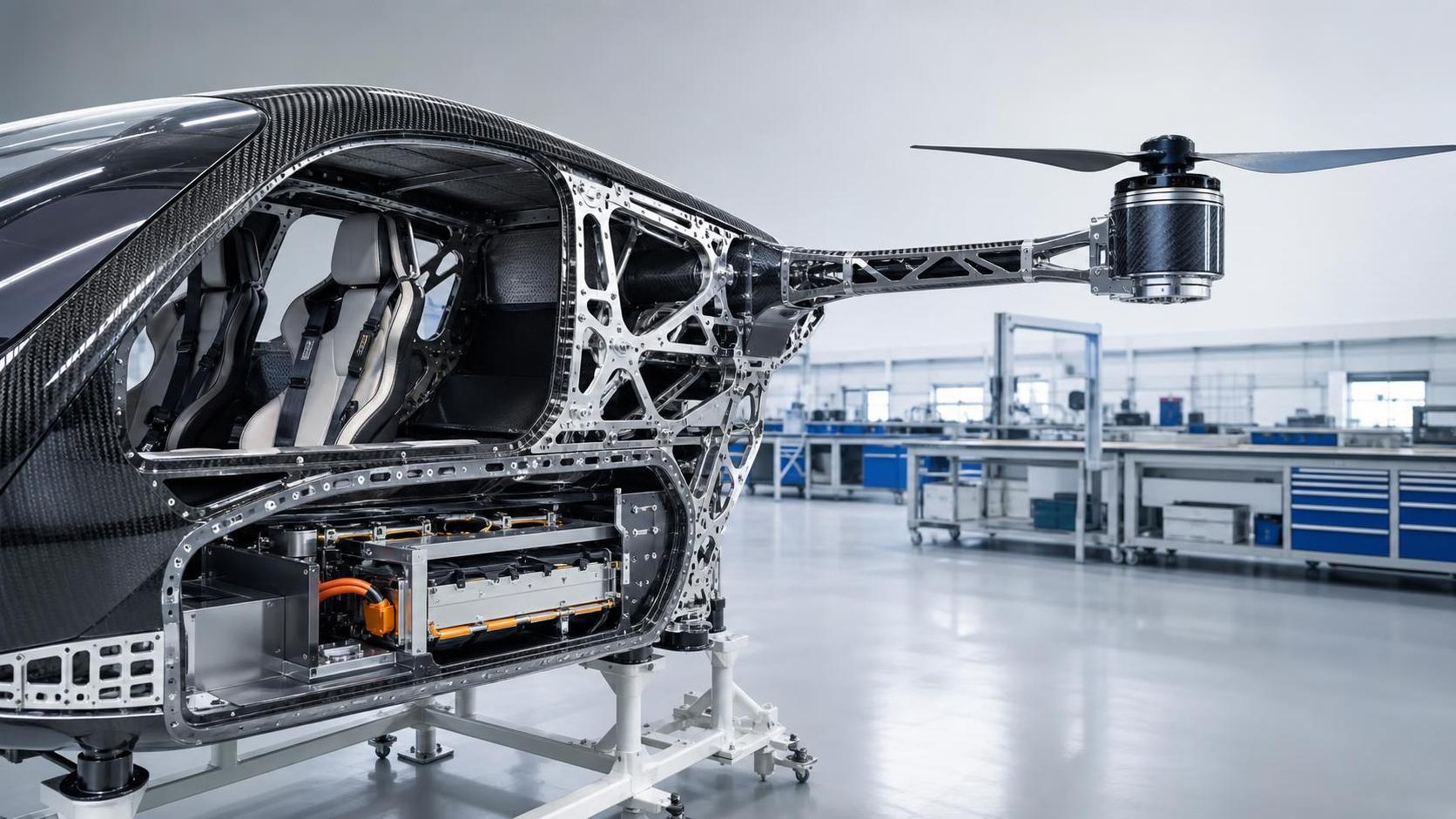
How aircraft material science innovations are changing eVTOL weight targets
Aircraft material science innovations are redefining eVTOL weight targets—discover how composites, titanium, thermal integration, and certification shape viable aircraft design.
-
 2026-08-26
When does electric aircraft propulsion make sense for eVTOL design
Electric aircraft propulsion makes sense for eVTOL design when missions are short, repeatable, and tightly controlled. Explore the key tradeoffs shaping feasible, certifiable, high-value aircraft.
-
 2026-08-25
When does an autonomous drone make sense for cargo operations?
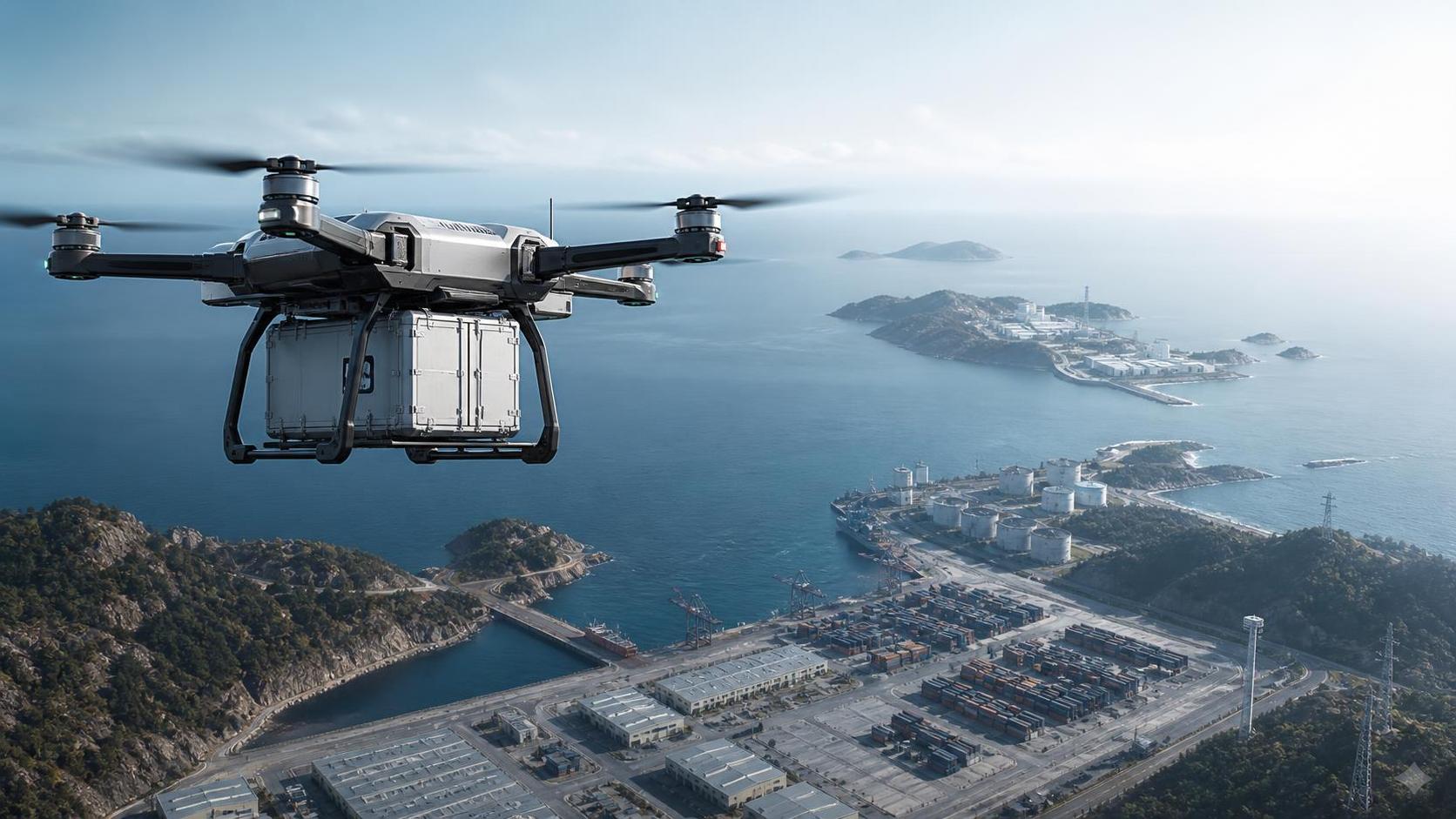
Autonomous drone cargo makes sense when speed, repeatability, and remote access outperform traditional transport. Discover the key cost, route, and regulatory factors before you invest.
-
 2026-08-18
How aerospace thermal management cooling affects battery safety in eVTOL aircraft
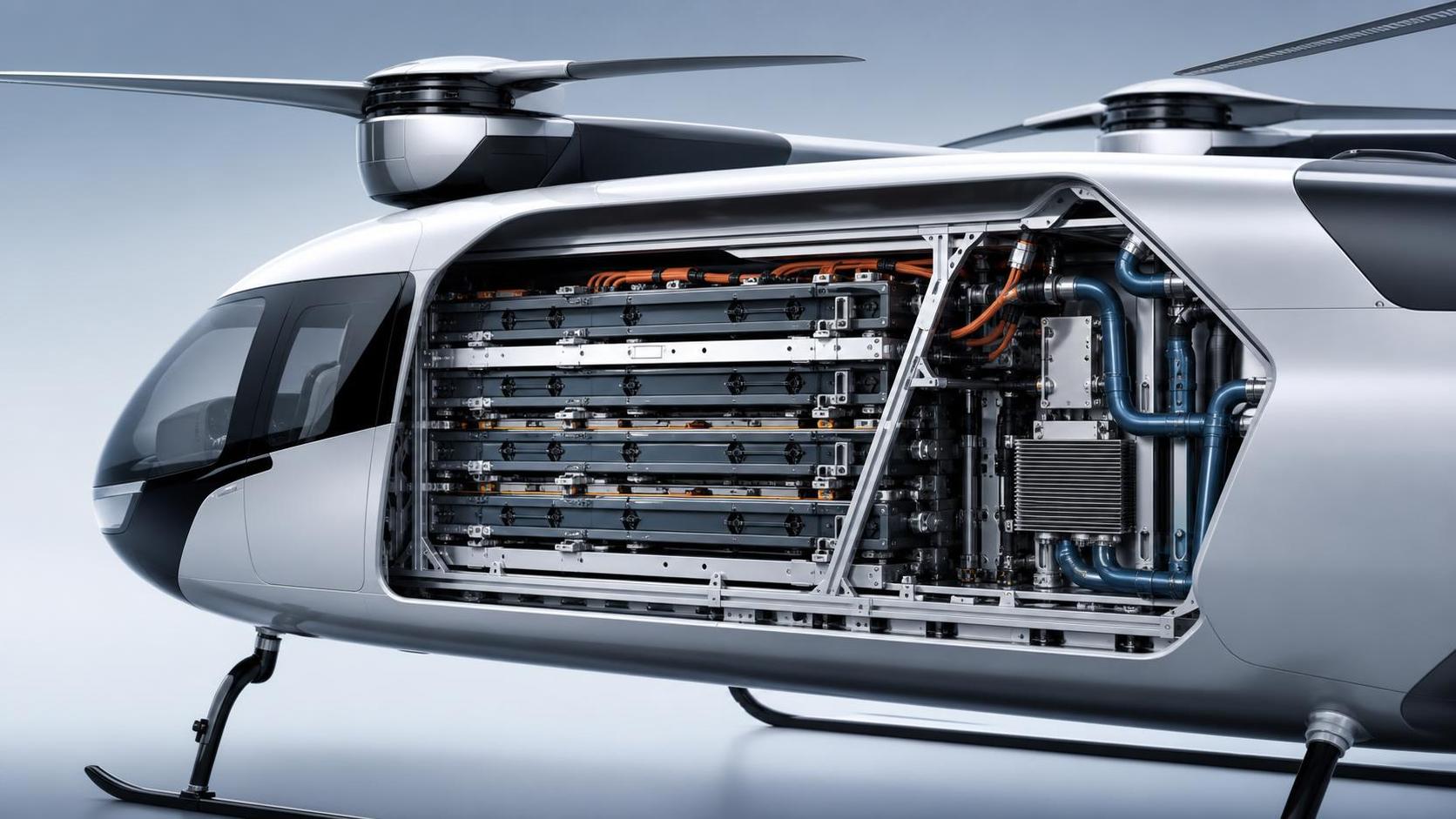
Aerospace thermal management cooling is critical to eVTOL battery safety, helping prevent hotspots, improve reliability, and support certification-ready aircraft design.
-
 2026-08-16
How to check amphibious aircraft components before water operations
Amphibious aircraft components must be checked before water operations to prevent leaks, gear faults, and control risks. Learn the key inspection steps that boost safety and dispatch reliability.
-
 2026-08-14
China Restricts Helium Exports, Pressuring Aviation Supply Chains
China restricts helium exports, disrupting aviation MRO, NDT, and flight control supply chains. Discover the impact, risks, and what companies should watch next.
-
 2026-08-13
What Is Urban Air Mobility and Which Use Cases Will Scale First?
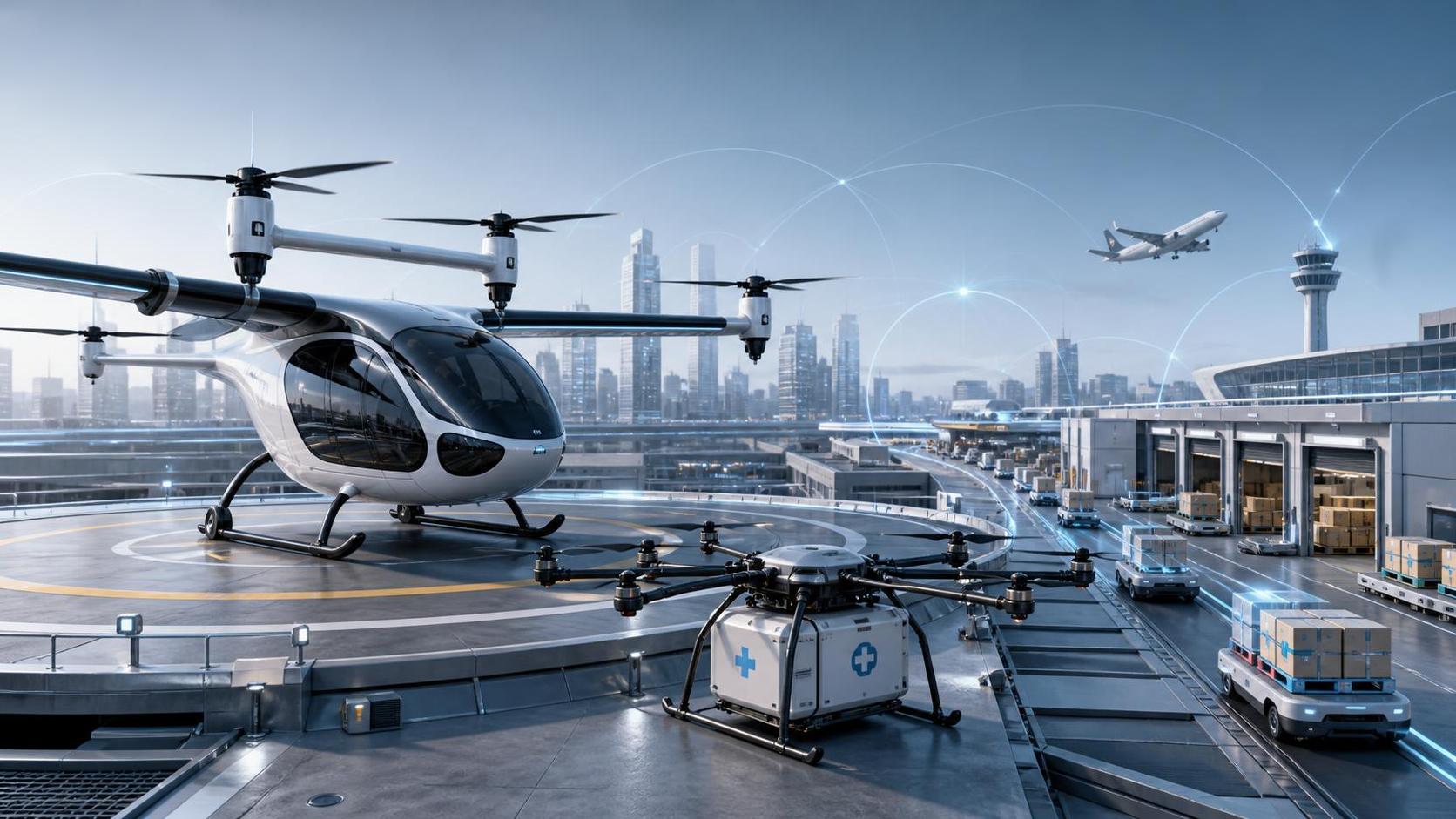
Urban air mobility is moving from concept to market. Discover which use cases will scale first—cargo, medical logistics, or airport shuttles—and what will determine commercial success.