Commercial Aircraft Structures
-
 2026-09-03
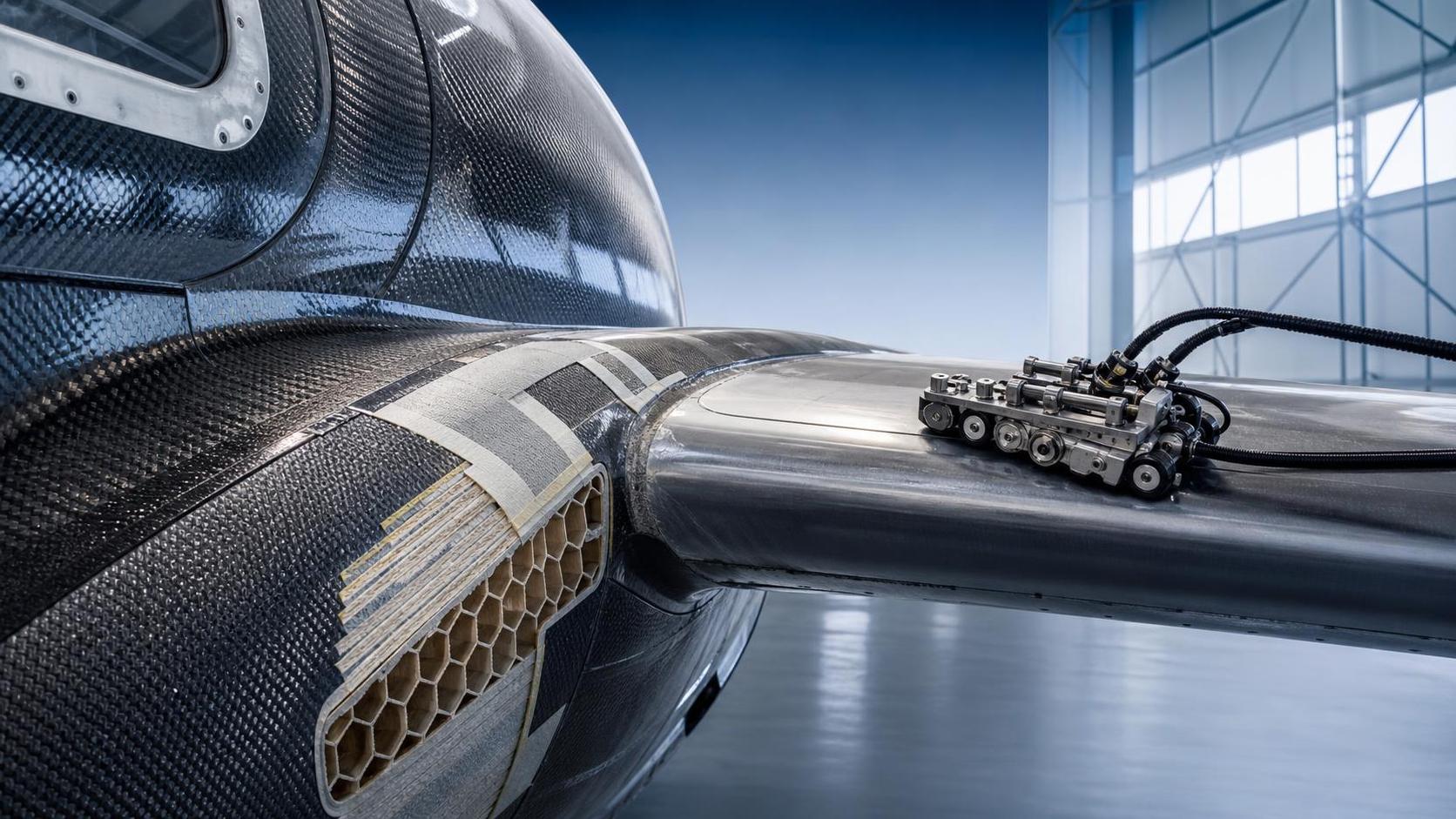
How composite airframes repair standards determine allowable damage limits
Composite airframes repair standards define allowable damage limits through structural zones, NDT evidence, approved data, and controlled repair processes. Learn how to make defensible airworthiness decisions.
-
 2026-09-01
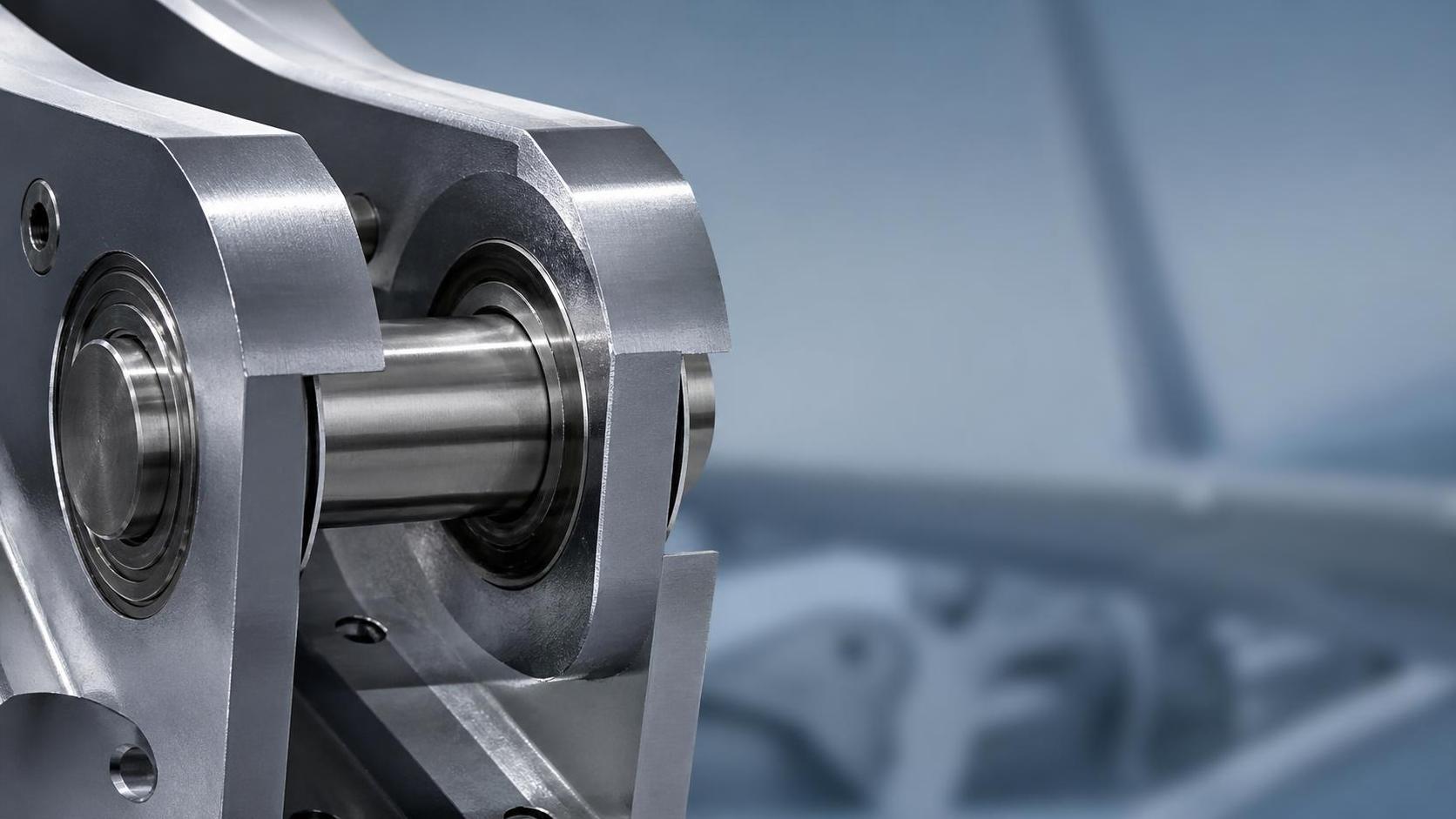
How aerospace titanium pins are selected for fatigue-critical joints
Aerospace titanium pins for fatigue-critical joints: discover how fit, surface condition, alloy choice, and traceability protect performance.
-
 2026-08-29
When do MS titanium fasteners need aerospace traceability?
MS titanium fasteners require aerospace traceability in critical aircraft applications. Learn the key triggers, records, and receiving controls.
-
 2026-08-19
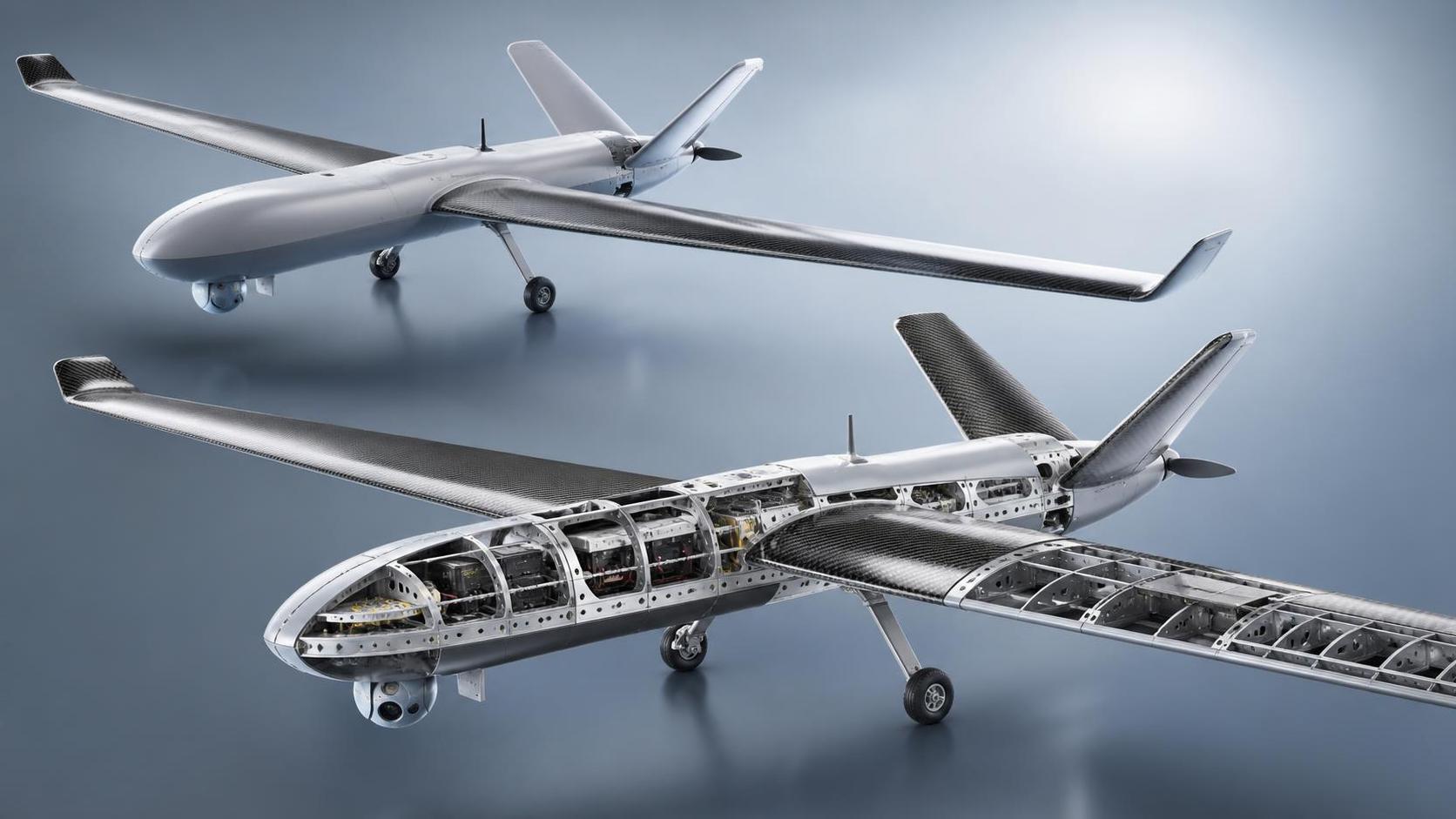
When do airframe composites for UAV make sense over aluminum?
Airframe composites for UAV make sense over aluminum when endurance, drag reduction, corrosion resistance, and part integration deliver real mission value. Compare trade-offs fast.
-
 2026-08-16
China-UAE Launch Direct Sea Route for Aerospace Components
China-UAE launch a direct sea route for aerospace components, cutting transit time to 21 days and boosting supply chain certainty for high-end cargo.
-
 2026-08-03
How Aircraft Extreme Speed Structure Testing Reveals Flutter Risk
Aircraft extreme speed structure testing reveals flutter risk by exposing damping loss, weak mode coupling, and control-system effects. Learn what to review before margins disappear.
-
 2026-07-29
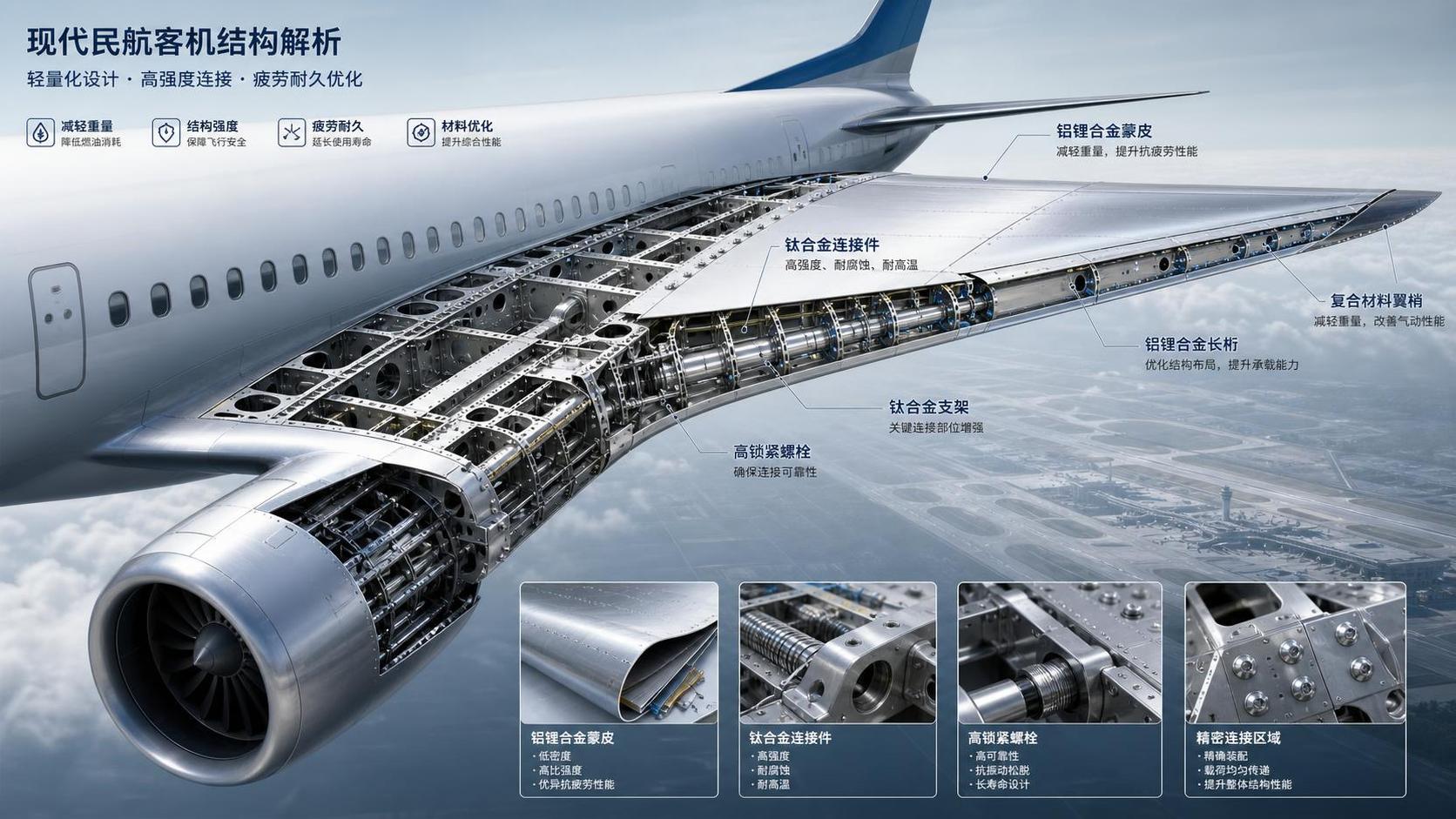
How Lightweight Alloys Affect Aircraft Strength, Fatigue, and Fuel Efficiency
Lightweight alloys aircraft properties shape aircraft strength, fatigue resistance, and fuel efficiency. Explore how smarter alloy choices improve performance, durability, and lifecycle value.
-
 2026-07-15
Aircraft Structural Optimization Techniques That Reduce Weight Without Added Risk
Aircraft structural optimization techniques that cut weight without added risk—learn how mission context, certification, joints, and system integration drive safer, smarter aircraft design.
-
2026-07-15
Boeing 787 Wing Box Supply Shift Adds Two China Tier-1 Suppliers
Boeing 787 Wing Box supply shift adds two China Tier-1 suppliers, signaling new momentum in aerospace composites, sourcing strategy, and direct supply opportunities—see what it means next.
-
2026-07-15
ITI Raises Export Inspection Bar for Titanium Fasteners
ITI raises export inspection standards for titanium fasteners to ASTM F3402-26a, adding a 125 ppm hydrogen cap and holographic traceability. See how aerospace suppliers can manage compliance, lead times, and cost risks.