Avionics Systems
-
 2026-05-11
RTCA Releases DO-178C Annex H-2026: AFT Analysis Required for Level A AI Flight Control
RTCA DO-178C Annex H-2026 mandates AFT analysis for Level A AI flight control—key for aerospace devs, integrators & Chinese exporters targeting FAA/EASA certification.
-
2026-05-11
Brazil ANAC Approves First Chinese eVTOL Flight Control System STC
Brazil ANAC approves first Chinese eVTOL flight control system—SkyPilot-X3 STC opens new certification pathways for avionics suppliers and UAM developers in Latin America.
-
2026-05-11
IATA Updates Cargo Drone Insurance Guidelines: Chinese AI Flight Control Data Origin Disclosure Required
IATA updates cargo drone insurance guidelines: Chinese AI flight control data origin disclosure now required—key for logistics, drone OEMs & AI vendors.
-
2026-05-10
2nd Aerospace Information Tech Conference Opens: BeiDou + LEO Timing Fusion Sets New Standard
BeiDou + LEO timing fusion sets a new 5 ns benchmark—discover how this breakthrough reshapes aerospace timing standards, certification paths, and global export opportunities.
-
 2026-05-09
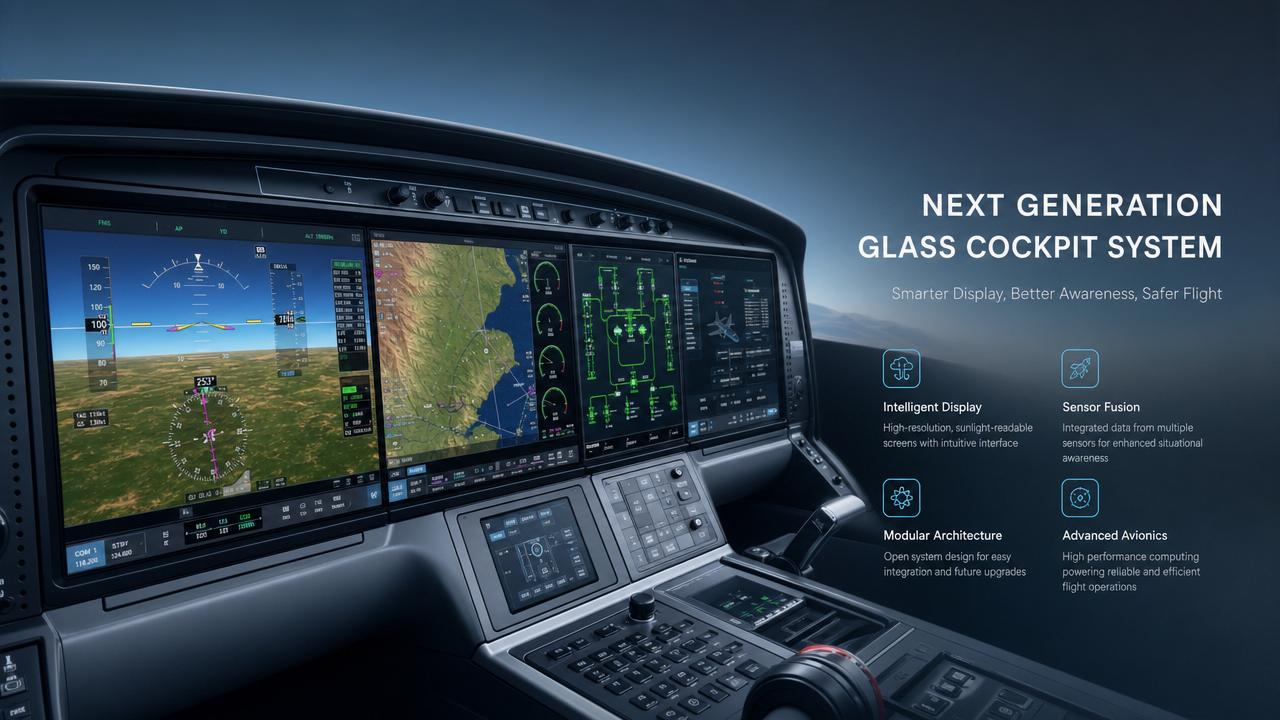
High-Frontier Technologies Driving New Glass Cockpit Displays
High-frontier technologies are transforming new glass cockpit displays into smarter, certifiable aviation hubs. Explore safety, retrofit value, and future-ready avionics opportunities.
-
 2026-05-09
Avionics Neural Network Uses in Smarter Flight Management
Avionics neural network insights for smarter flight management—discover how AI-driven avionics improves safety, route efficiency, predictive maintenance, and real-time decision support.
-
 2026-05-09
Avionics Integration Technology Risks in Modern Fly-by-Wire Upgrades
Avionics integration technology risks can derail modern fly-by-wire upgrades. Discover key certification, software, and legacy compatibility challenges before they impact safety, schedules, and costs.
-
2026-05-09
BIS Adds Two Chinese Avionics AI Chip Firms to Entity List
BIS adds two Chinese avionics AI chip firms to Entity List—impacting AR-HUD, glass cockpit displays, EDA tools & semiconductor IP licensing. Key insights for aerospace electronics & IC design teams.
-
2026-05-09
IATA Revises Cargo Drone Insurance Rules for AI Flight Controllers
IATA revises cargo drone insurance rules for AI flight controllers—new data provenance & anonymization requirements for non-EASA/FAA AI systems. Stay compliant.
-
2026-05-08
Fly-by-Wire System Architecture Trade-Offs That Matter in Early Design
Fly-by-wire system architecture trade-offs shape certification, redundancy, latency, weight, and upgrade flexibility. Discover the early design choices that reduce risk and improve aircraft program outcomes.