Avionics Systems
-
 2026-05-29
Aerospace Structural Dynamics Analysis: Key Risks Before Flight Testing
Aerospace structural dynamics analysis reveals hidden flutter, vibration, fatigue, and control-coupling risks before flight testing—helping teams improve safety and certification confidence.
-
 2026-05-28
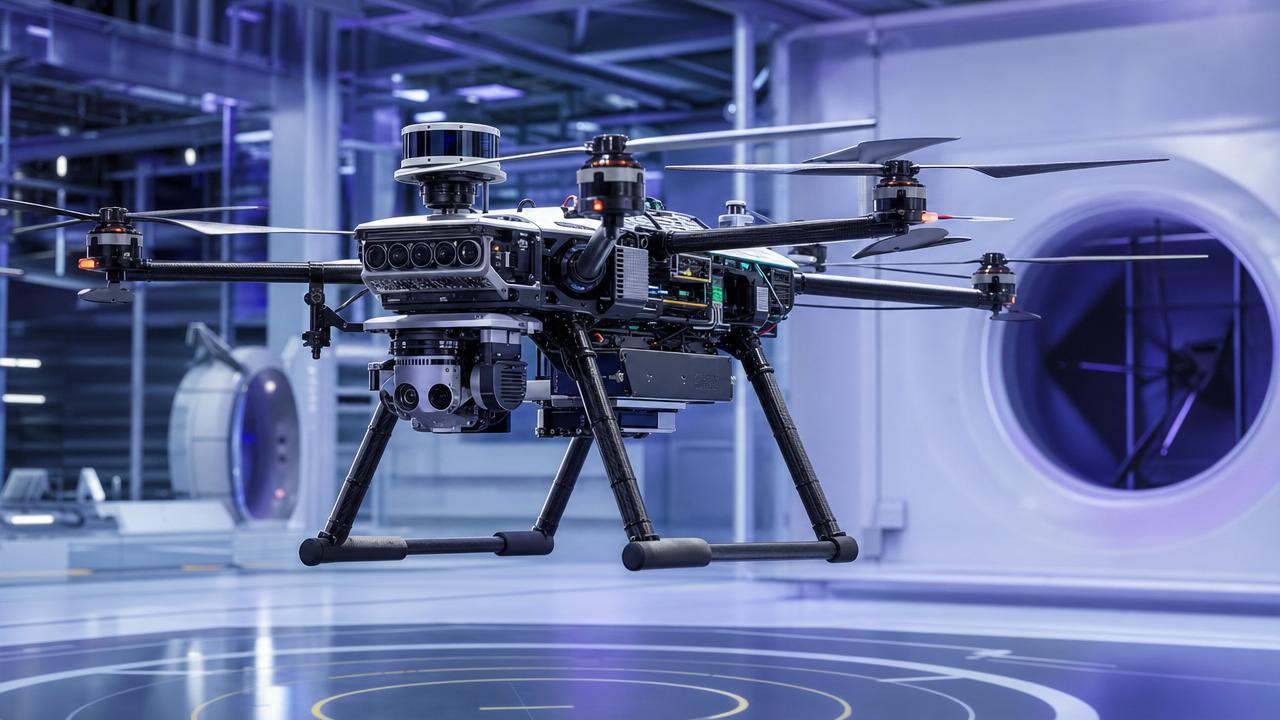
UAV Flight Control System Technology Trends to Watch in 2026
UAV flight control system technology trends for 2026: explore AI-assisted control, sensor fusion, redundancy, cybersecurity, and certification insights shaping safer, smarter UAV operations.
-
 2026-05-27
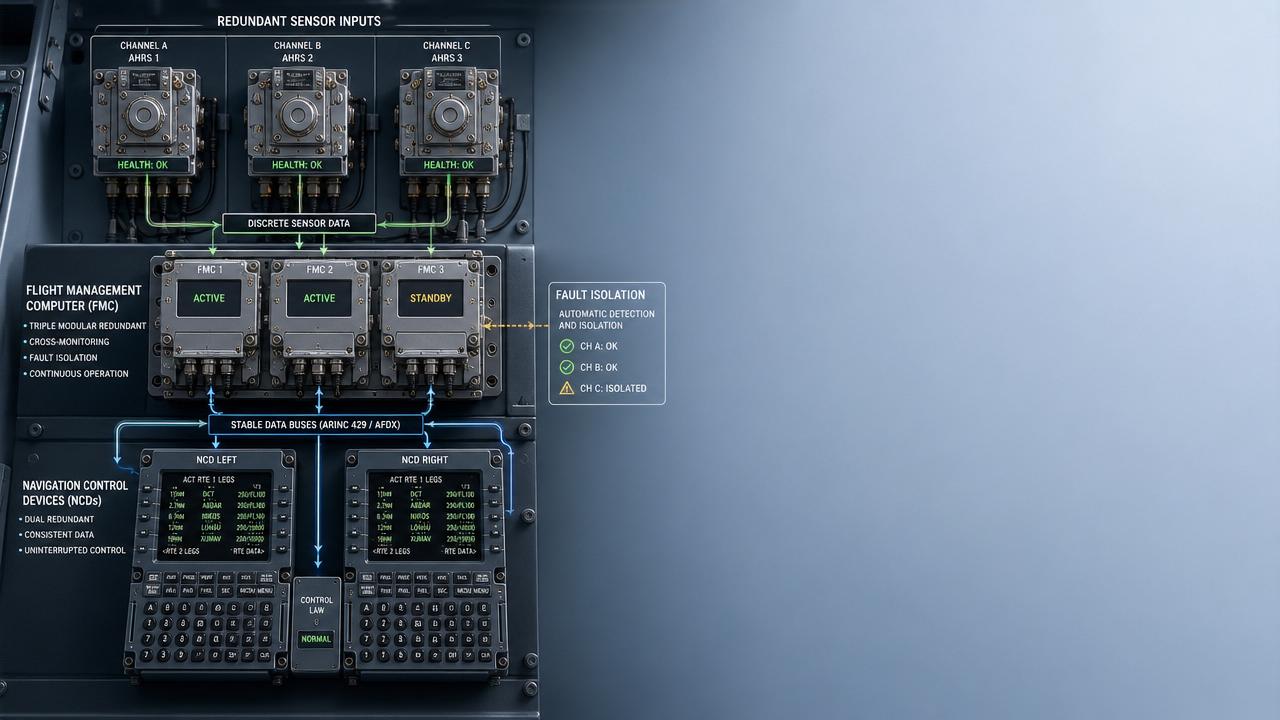
How Redundancy Systems Cut Flight Management Risk
Avionics redundancy systems cut flight management risk by preserving trusted data, fault tolerance, and safe decision continuity across takeoff, cruise, landing, and harsh conditions.
-
 2026-05-27
2026 Fly-by-Wire Trends in Avionics Digital Control
Avionics digital control is reshaping fly-by-wire strategy in 2026. Explore key trends, certification risks, lifecycle cost drivers, and smart procurement insights for competitive aviation programs.
-
 2026-05-26
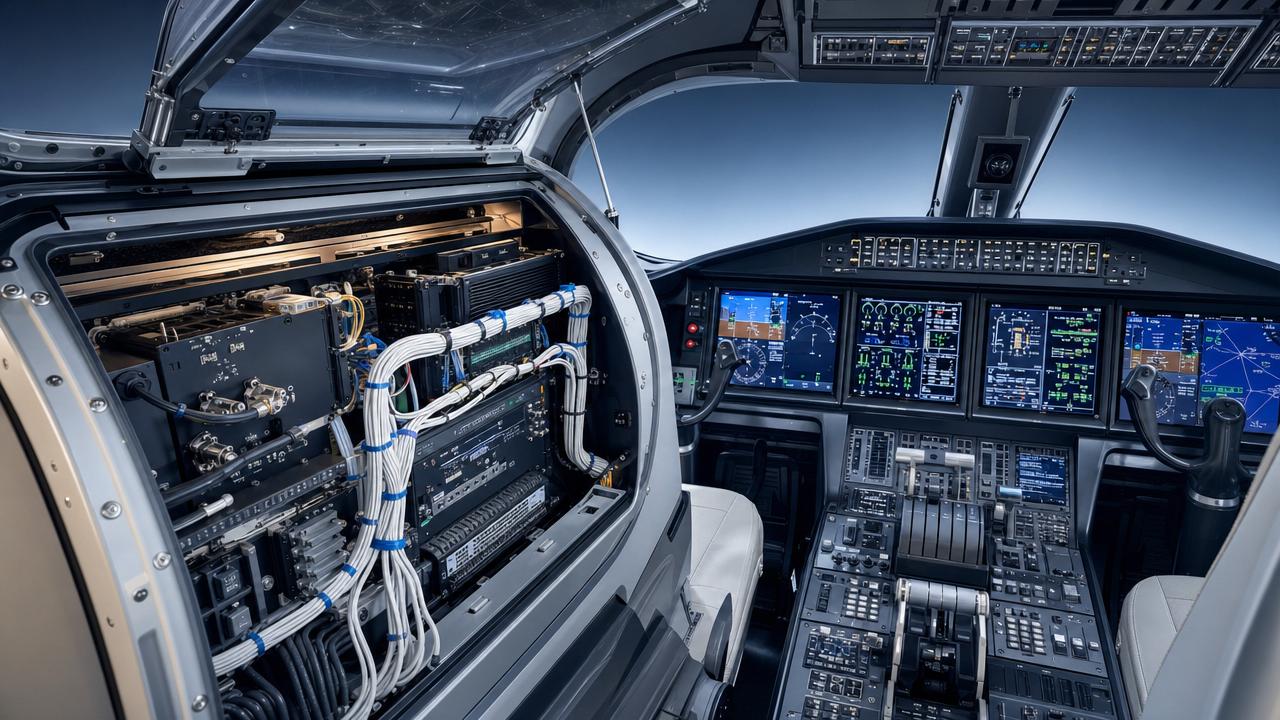
Aerospace Systems Integration Costs in Glass Cockpit Upgrades
Aerospace systems integration drives the real cost of glass cockpit upgrades. Discover key budget risks, certification factors, and ROI insights before approving modernization.
-
 2026-05-26
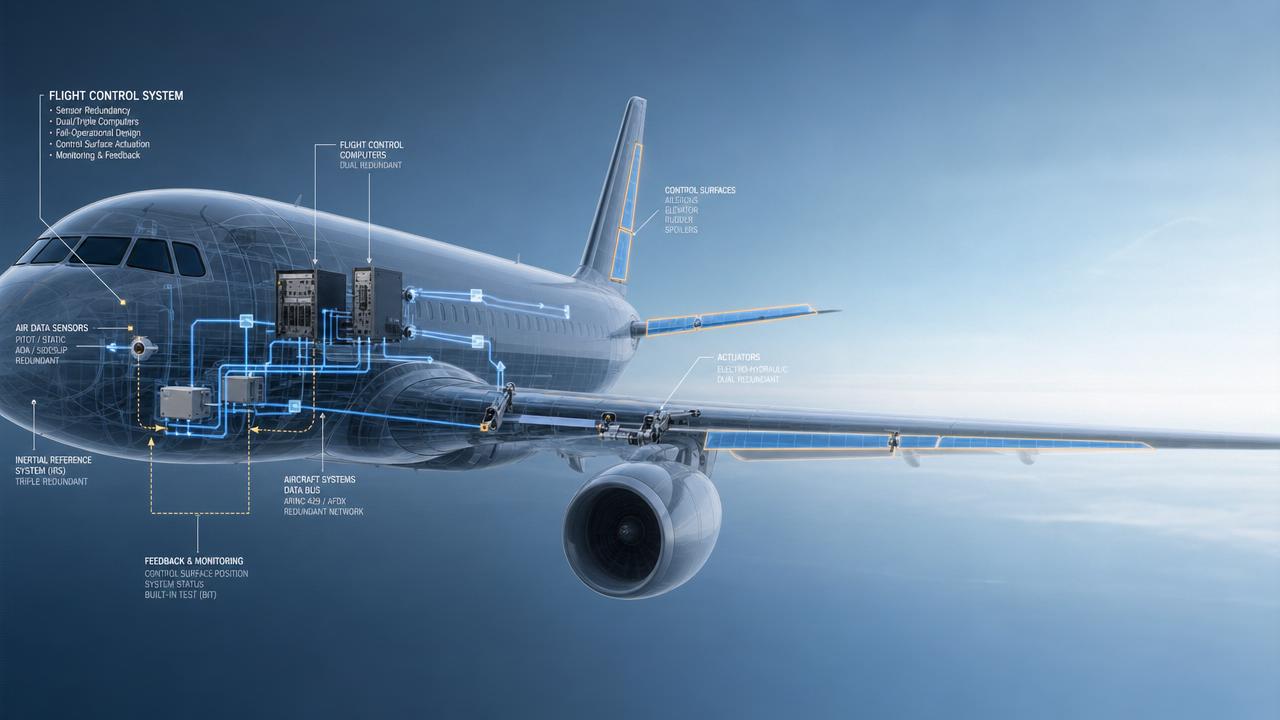
How Fly-by-wire Aviation Safety Systems Reduce Control Risks
Aviation safety systems in fly-by-wire aircraft reduce control risks through redundancy, envelope protection, and fault isolation. Discover how they improve safer, more reliable flight operations.
-
 2026-05-25
Aircraft Digital Twin Use Cases in Flight Management for 2026
Aircraft digital twin use cases in 2026: explore predictive maintenance, fuel optimization, avionics insights, and airworthiness strategies to improve flight management performance.
-
 2026-05-25
SpaceX Set for June 12 Nasdaq IPO Amid Starship V3 Flight and Starlink Spectrum Clearance
SpaceX IPO on June 12, Starship V3 flight & Starlink spectrum clearance drive urgent demand for aerospace electronics—FPGA timing, rad-hard displays, digital actuators.
-
2026-05-25
RTCA DO-254A Amendment 3 Mandates FPGA Crypto-Signing for Avionics Exports
RTCA DO-254A Amendment 3 now mandates FPGA crypto-signing for avionics exports—learn how Chinese manufacturers can ensure FAA/EASA compliance before 2027.
-
 2026-05-24
Avionics Digital Control in Fly-by-Wire: Key Failure Points
Avionics digital control in fly-by-wire: discover the top failure points, hidden risks, and QA actions that help safety managers reduce certification, maintenance, and in-service exposure.